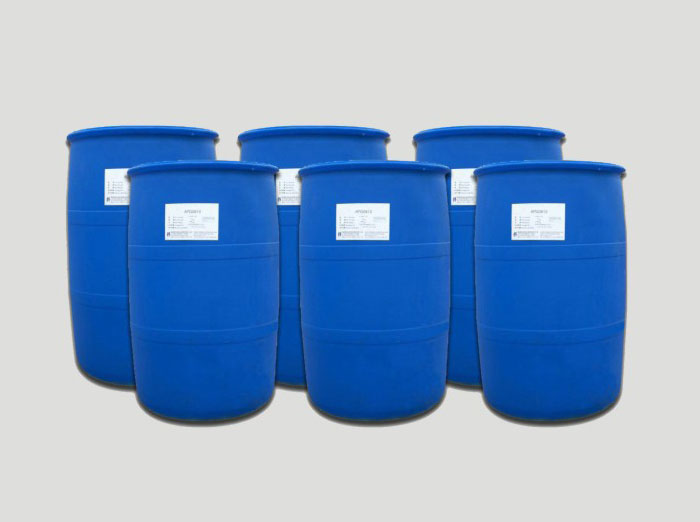
Поверхностно-активные вещества — это химические вещества с превосходными дисперсионными, эмульгирующими, пенообразующими и смачивающими способностями, широко используемые в химической, пищевой, фармацевтической промышленности, повседневной химической промышленности и других областях. В этой статье будут представлены промышленные применения поверхностно-активных веществ в этих аспектах.
I. Применение поверхностно-активных веществ в химической промышленности.
Поверхностно-активные вещества имеют широкое применение в химической промышленности, что в основном отражается в следующих аспектах:
Эмульгаторы. Поверхностно-активные вещества могут смешивать две несмешивающиеся жидкости с образованием эмульсий, применяемых в таких отраслях, как краски, покрытия, пигменты и текстильные красители.
Диспергаторы: после измельчения и очистки материалов или пигментов в воде легко образуются частицы осадка, для обработки которых требуются диспергаторы. В качестве диспергаторов ПАВ проявляют хорошие дисперсионные свойства, обеспечивая идеальное сочетание с дисперсными материалами и повышая их стабильность в воде. Они используются в покрытиях, чернилах, пластмассах, резине и других областях.
Стабилизаторы: благодаря своей сильной способности регулировать поверхностное натяжение поверхностно-активные вещества уменьшают поверхностное натяжение и понижают поверхностную энергию жидкостей, образуя стабильные жидкие системы. Они применяются в фармацевтической и косметической промышленности.
II. Применение поверхностно-активных веществ в пищевой промышленности
В пищевой промышленности поверхностно-активные вещества также играют решающую роль, главным образом в:
Эмульгаторы: используя эмульгирующий эффект поверхностно-активных веществ, можно объединить воду и масло в пищевых продуктах, уменьшив содержание масла, сохраняя при этом вкус и качество.
Солюбилизаторы: поверхностно-активные вещества могут ускорять ионизацию некоторых пищевых компонентов. Таким образом, при производстве, обработке и выпечке напитков добавление поверхностно-активных веществ может быстро облегчить обработку и обработку пищевых продуктов.
Пенообразователи: Пенообразователи необходимы в пищевой промышленности для приготовления выпечки, такой как торты и печенье. Пенящийся эффект поверхностно-активных веществ делает выпечку мягкой, эластичной и вкусной.
III. Применение поверхностно-активных веществ в фармацевтической промышленности
В фармацевтической обработке поверхностно-активные вещества также играют жизненно важную роль, в том числе:
Ионные поверхностно-активные вещества: Ионные поверхностно-активные вещества обладают сильным загущающим действием, например поверхностно-активные вещества адсорбционного типа и инициирующего типа. Они могут замедлить деградацию лекарств и стабилизировать приготовление смесей во время фармацевтического производства.
Неионогенные поверхностно-активные вещества. Неионогенные поверхностно-активные вещества могут улучшить растворимость некоторых лекарств, повысить биодоступность пероральных препаратов и продлить период полувыведения лекарств.
IV. Применение поверхностно-активных веществ в повседневной химической промышленности
В повседневной химической промышленности поверхностно-активные вещества одинаково важны, главным образом в:
Моющие средства. В качестве моющих средств поверхностно-активные вещества широко используются при ежедневной уборке, стирке и обеззараживании, например, в стиральном порошке, жидкости для мытья посуды, средствах для чистки стекол и пятновыводителях для кожи.
Косметика. Поверхностно-активные вещества также являются ключевыми компонентами ежедневных химических продуктов. Например, различные типы поверхностно-активных веществ широко используются в средствах по уходу за кожей и волосами, таких как шампуни, средства для мытья тела, зубные пасты и мыло.
В заключение отметим, что поверхностно-активные вещества играют значительную роль в химической, пищевой, фармацевтической и бытовой химической промышленности. С постоянным развитием отраслей промышленности сфера применения поверхностно-активных веществ будет расширяться. Между тем, следует уделять внимание их воздействию на окружающую среду для достижения зеленого, экологически чистого и устойчивого развития.

 English
 Español
 Portugues
 Français
 Deutsch
 日本語
日本語 한국어
한국어 العربية
 Italiano
 Nederlands
 Ελληνικά
 Polski
 ไทย
ไทย Tiếng Việt
 українська
 中文简体
中文简体





 телефон
Комментарий
(0)